Article written by our school placement intern, Nina. Thank you for your great work.
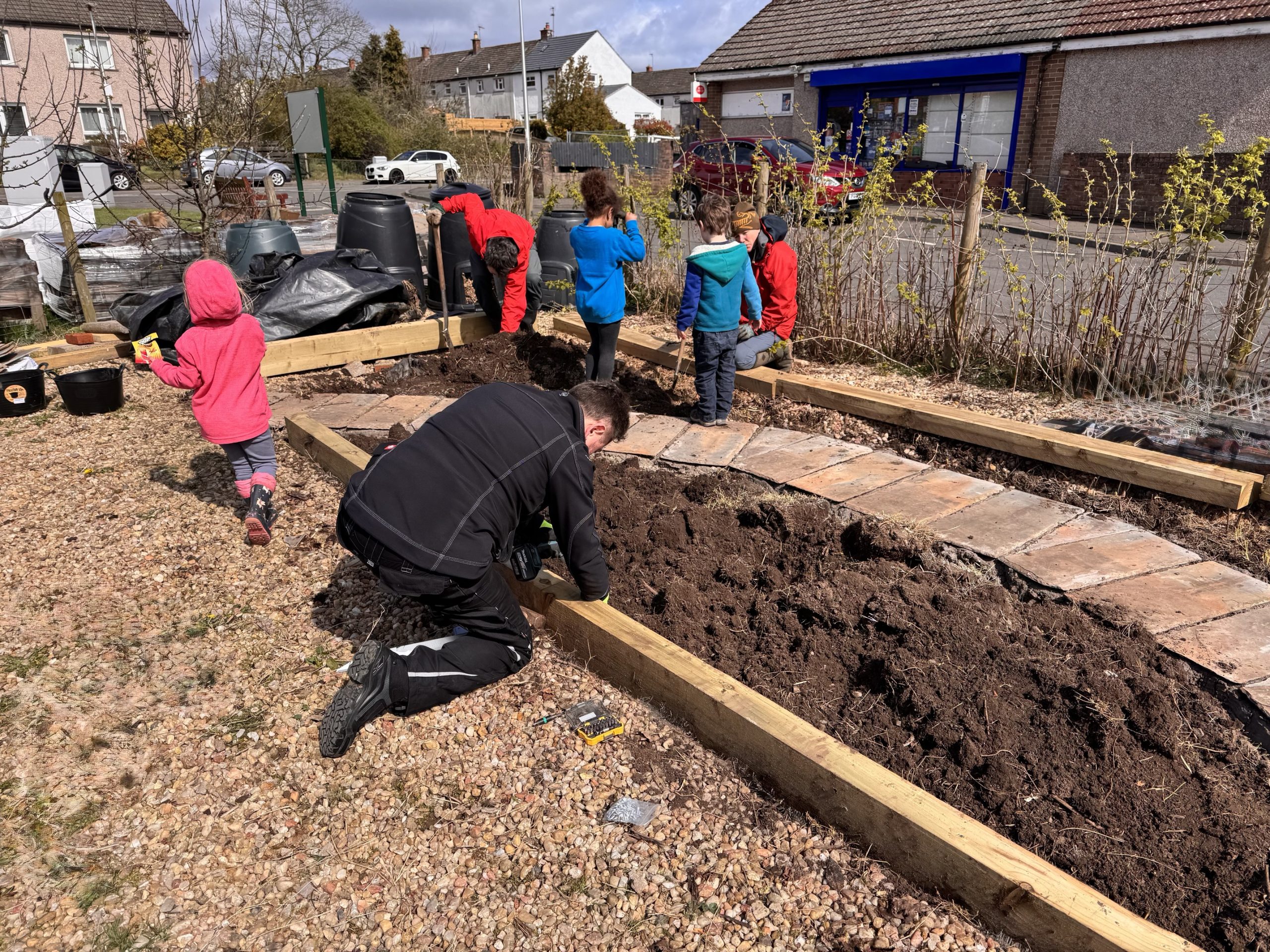
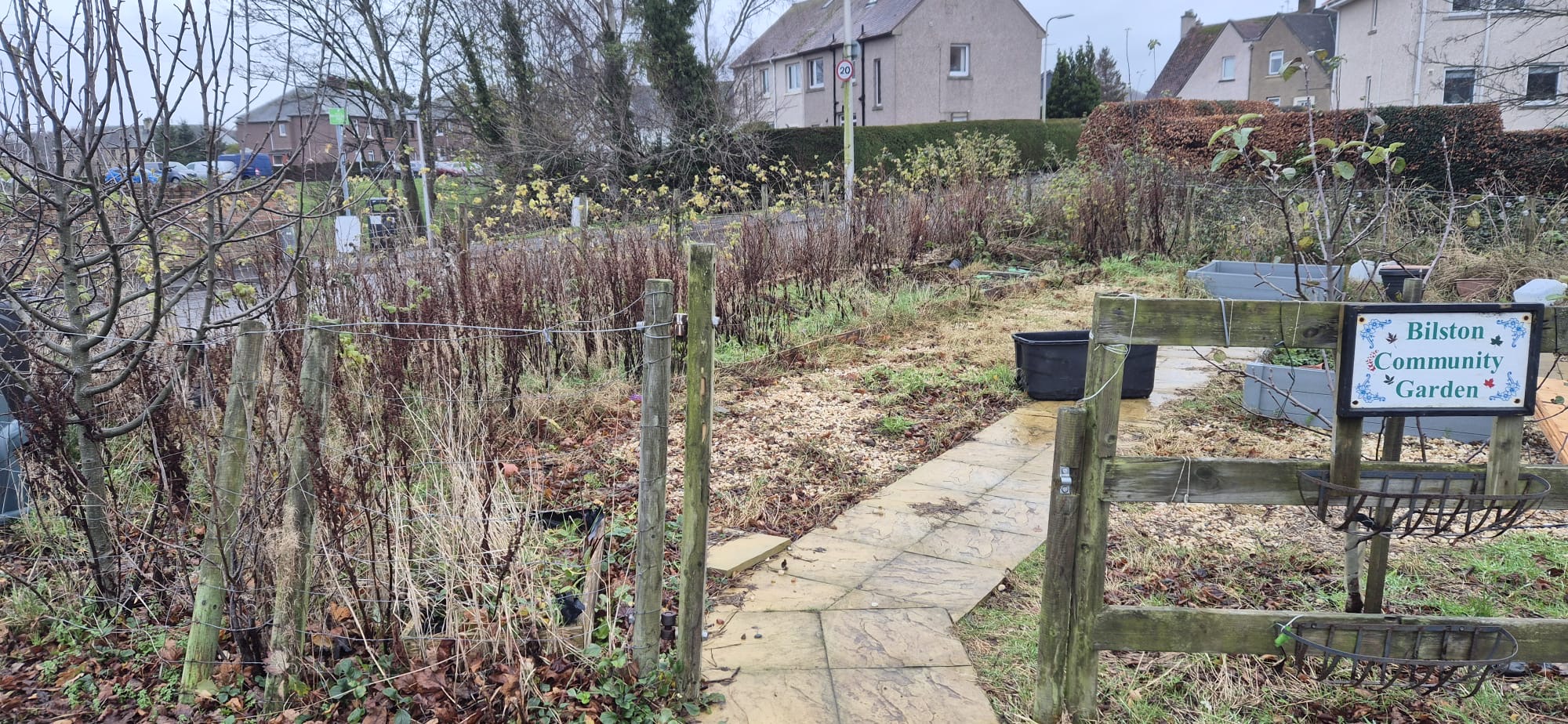
Bilston Garden truly exemplifies a story of success in MCAN’s community garden network. Originally established in 2018/19, Bilston was recently restored after the garden had been continuously vandalized and the COVID-19 pandemic prevented staff from keeping it maintained. Tamsin and Donna, who currently run the garden, recognised that Bilston had the potential to become a beautiful green space where people can learn new skills and build community with one another, so work began in December 2025 to help bring the garden back to life. Volunteers gathered to dedicate their time to the project, one of them being from Glencorse community garden, and the Climate Hub helped Bilston connect with the community garden network and encouraged them to apply for Seedcorn funding. Using the grant, staff were able to purchase railway sleepers and horticultural sand.
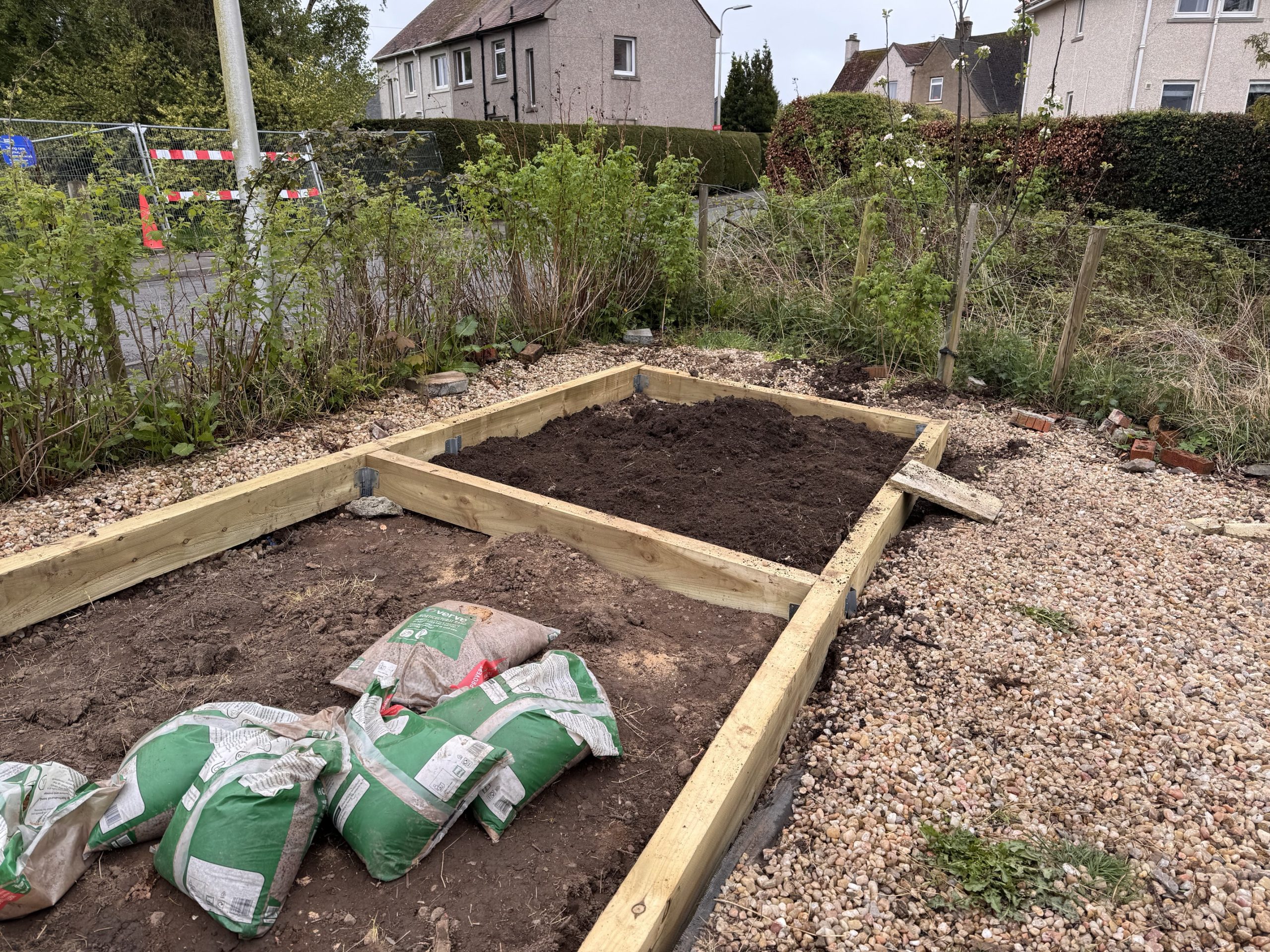
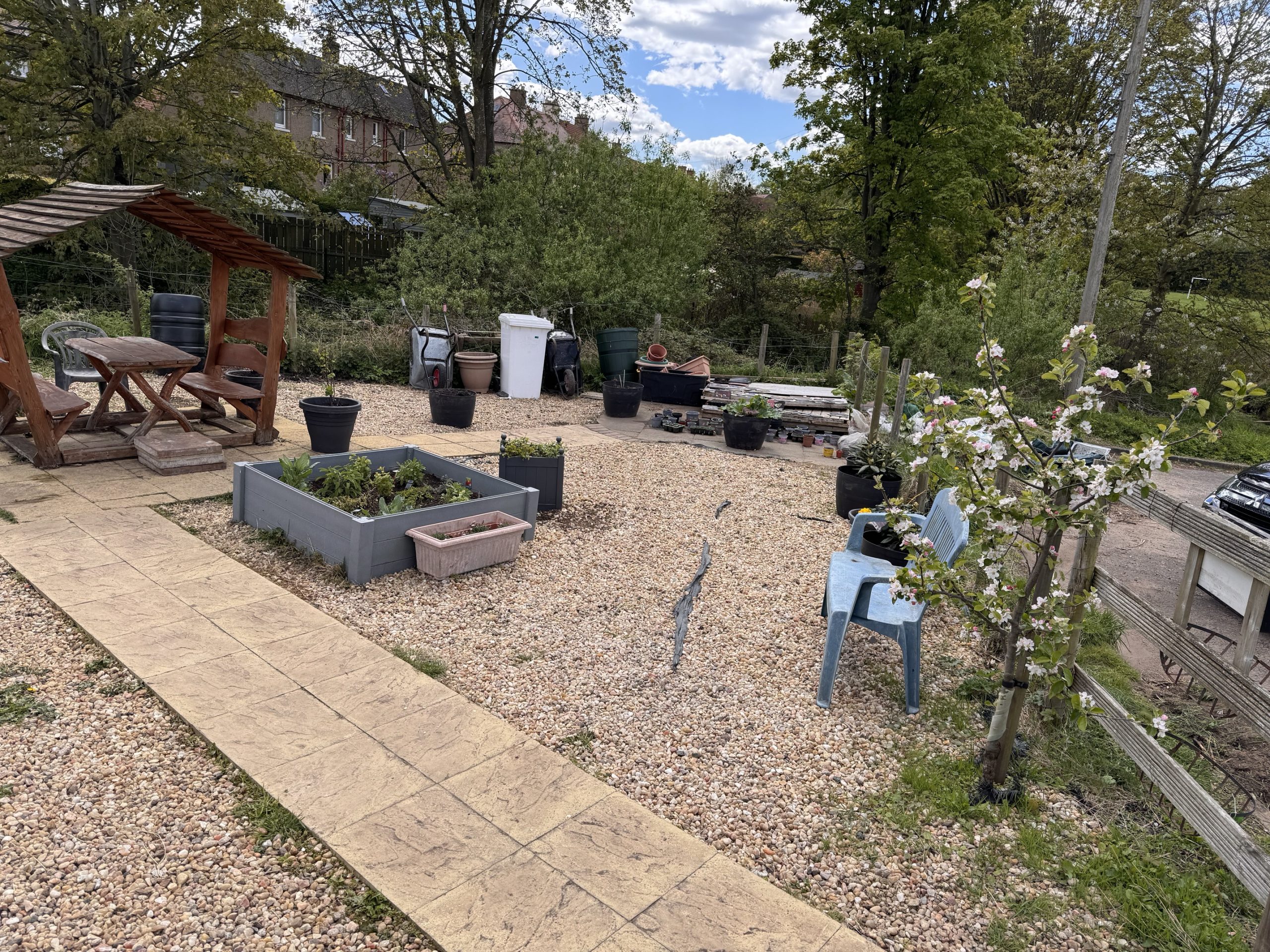
Bilston’s before and after photos show a striking contrast; there are now raised beds for vegetable growing, and pebbles have been added to the ground. One of the volunteers’ goals were to make the space more durable using the railway sleepers since previous borders had collapsed. The horticultural sand also helped to improve soil quality, which positively impacted growing conditions. The garden looks so much more alive and inviting now, thanks to the unwavering effort put in by volunteers.
I was able to speak with Tamsin about the work that it took to make Bilston what it is today. “I like a challenge,” she told me, as we discussed the long weekend hours that she and other volunteers spent working on the garden, despite the fact that previous attempts to restore it had been unsuccessful due to a lack of capacity and time. However, Bilston Garden has gone from a daunting project to a community space teeming with opportunity. In her own words, “Initially, I was intimidated by the challenge we faced in getting the weeds and stopping the vandals coming. Now, I’m finding the challenge is the area isn’t big enough.” It’s certainly a better problem to have, and it’s one that makes sense when you see just how much good Bilston has done for the community already and how much it has grown, not even a year after volunteers began working on it.
Tamsin and Donna wanted to ensure that the garden was accessible and could serve as a peaceful space for anyone to use and enjoy. In addition to growing vegetables, the garden also has herbs, a vertical growing area, a biosphere, and a raised border where many pollinators visit the space. As of this Spring, there are also now eight regular helpers who work on the garden, compared to late 2025 when no one was working on it consistently. Moreover, Bilston Garden has proved to be impactful not only in its growing output but also in its ability to bring people together and reduce isolation.
Currently, the garden is helping the local youth get involved with nature through a partnership with Bilston Primary School; the pupils have been given the task of taking care of the vegetable patch. Not only does this help them take ownership and responsibility for a project of their own, but it also improves their environmental knowledge and teaches them about where the fruit and vegetables they eat every day come from. A wilderness expert affiliated with the school accompanies the children at the garden, and they have been completing tasks such as putting in soil, adding plants, and identifying the bugs and creatures who visit the space. They have a sense of pride in seeing what they’ve accomplished and have enjoyed bringing their extended family to the garden to show them the plants they have cared for. Now that the summer holidays have begun, the pupils have taken seedlings home with them to tend to until school begins again in the autumn.
This kind of practical outdoor education is especially important in the age of technology; it’s no secret that children are spending more time indoors than ever before, and typical school subjects don’t provide them with a substantial amount of knowledge about the environment that surrounds them. During our conversation, Tamsin recalled that some of the primary school pupils thought that potatoes came from McDonald’s prior to spending time at Bilston Garden and learning from the school’s wilderness expert. Research also shows us that being outdoors is good for children’s development, with UNICEF reporting that children who spend time in green spaces show “better focus levels, lower stress, and better emotional resilience.” The primary school partnership helps bring these benefits to Midlothian’s children, making it an extremely important asset to the community.
Moving forward, Bilston volunteer staff are hoping to be able to expand the garden. They have a third of a hectare to work with, but they want to add another section, perhaps an apothecary or medicinal space. Another idea that they have for the future is to have the P7 pupils from the school sell produce to both raise money for the garden and allow them to engage more with the community. The work that has been done here is truly something to be proud of, and the response from both volunteers and the people who use the garden reflects that.