
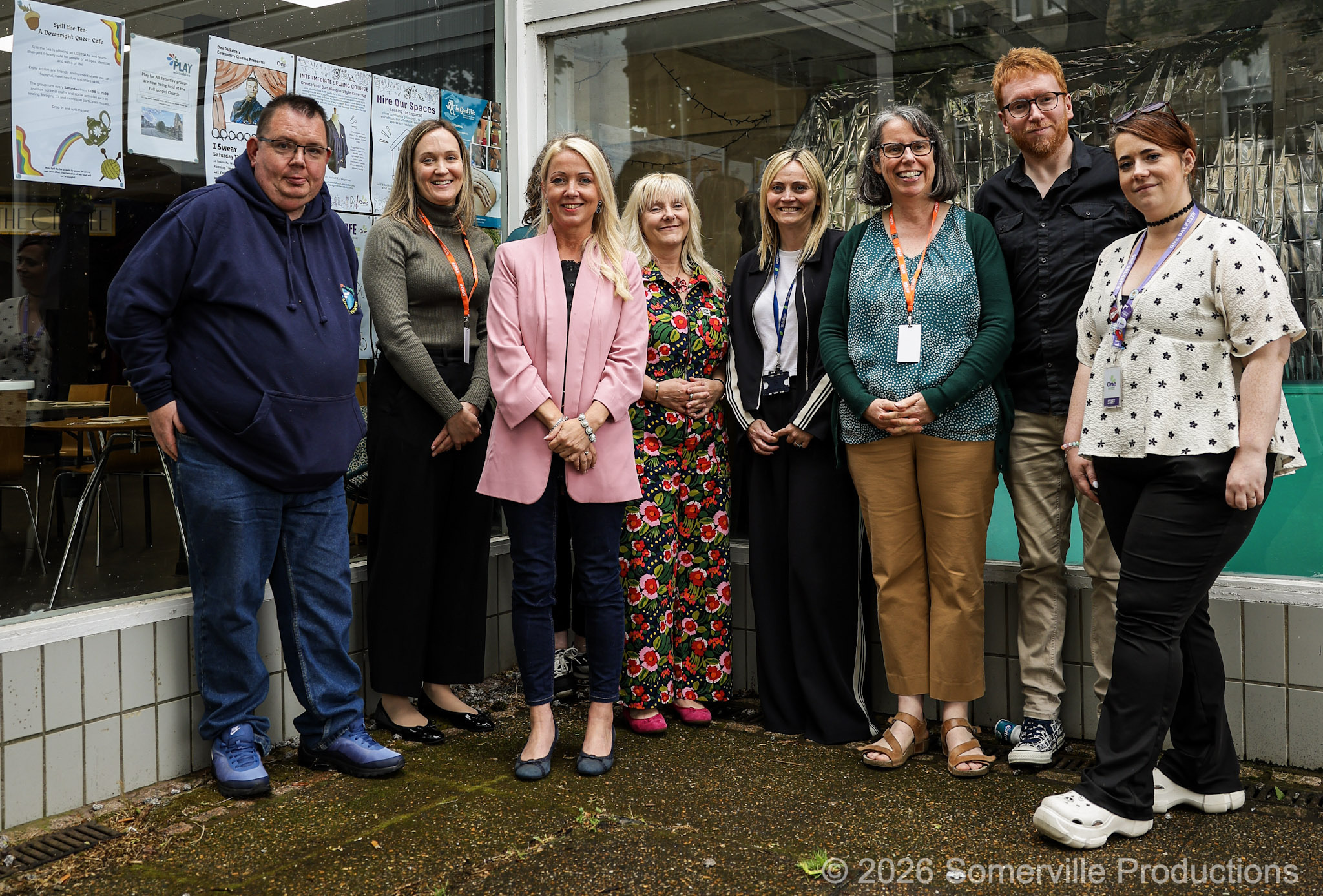
Article our school placement intern, Nina. Thank you for your great work.
Photo credit: Alan Somerville, Somerville Productions
The community diner project began as an initiative funded by the Fairer Futures Partnership Programme to provide hot, nutritious meals to people in Midlothian. In their pilot phase earlier in the year, they were run in ten locations across the area and served individuals and families of all ages, allowing them to spend an evening socializing and enjoying a low-cost dinner.
Increasing access to social support systems, in addition to food, was another key goal of the project. Members of the Citizens Advice Bureau attended community meals to offer opportunities for Midlothian residents to connect with them and ask questions about housing, employment, benefits, and other topics that they might need assistance with. Many of the meals also included activities that children could participate in, which allowed parents to have a break for the evening without having to attend to the combined tasks of cooking, washing dishes, and providing childcare.
In total, 60 meals were delivered to over 800 people over the course of the pilot phase. Feedback was collected from attendees after the meals, and it was overwhelmingly positive, with people stating that they enjoyed the quality and affordability of the meals. In fact, 93% of the people surveyed stated that they would attend another community meal if they had the opportunity (the remaining 7% responded that they would “maybe” attend again).
One Dalkeith was one of the organisations that offered weekly meals for people in Midlothian during the run of the pilot phase. Staff and volunteers enjoyed bringing the project to life and found it impactful to see the outcomes of their hard work in real time, through the conversations they had with attendees. I spoke with John, who runs the Dalkeith Men’s Shed and also worked on the project, and he told me that some of the most memorable feedback he received came from older adults. Many mentioned that the community meals were one of the only opportunities they had to get out of the house and feel less isolated. Some attendees even asked if they could bring a takeaway meal for an elderly relative or neighbour, increasing the overall scope of the impact.
Additionally, several younger families told One Dalkeith staff and volunteers that they had given up on the idea of going out for an evening meal with their families due to the rising cost of food at restaurants, and this project made that experience accessible again. “That was nice to hear,” John said, “we brought something back to people they’d lost from their lives, and that we’d helped people overcome isolation.” Spending an evening having a meal at the community diner also allowed parents to have a small break from the combined tasks of cooking, washing dishes, and childcare. To build on this, One Dalkeith plans to hire someone that can facilitate more structured activities for children in attendance.
Staff learned a lot during the pilot phase about what works effectively when running the community diners. After the first couple of weeks, they had the idea to add more ambience to the space by playing lo-fi music for people to enjoy and using a screen to project a kaleidoscope of colours for a more calming and inviting atmosphere. To add onto that, staff were originally seating people at tables with the group they’d arrived with, but as more people began attending the meals, One Dalkeith switched to putting multiple groups in the same seating area. This helped build more connections and friendship between attendees, and the volunteers recalled people who hadn’t known each other a couple of hours earlier talking to one another like old friends. Running the project and evaluating its success has also given staff and volunteers several ideas for how the community diners can grow and improve; One Dalkeith would like to implement more themed nights in the future, focusing on different types of cuisine and/or giving each volunteer a to plan their own menu.
Volunteers were positively impacted by the project along with the community as well. Because the project had such tangible outcomes, seeing the ways their efforts had made a difference for people helped volunteers increase their confidence and build skills with interacting with the public, cooking a meal, and running an event for 20-40 anticipated attendees. One volunteer obtained a food safety certificate because of working on the project while another started a new community event with the experience she gained.
One Dalkeith is part of phase 2 of the project, which has funding secured from Midlothian Council to continue through to 2028 and should start again very soon.
