Article and photos by our school placement interns, Katie and Nina. Thank you for your great work.
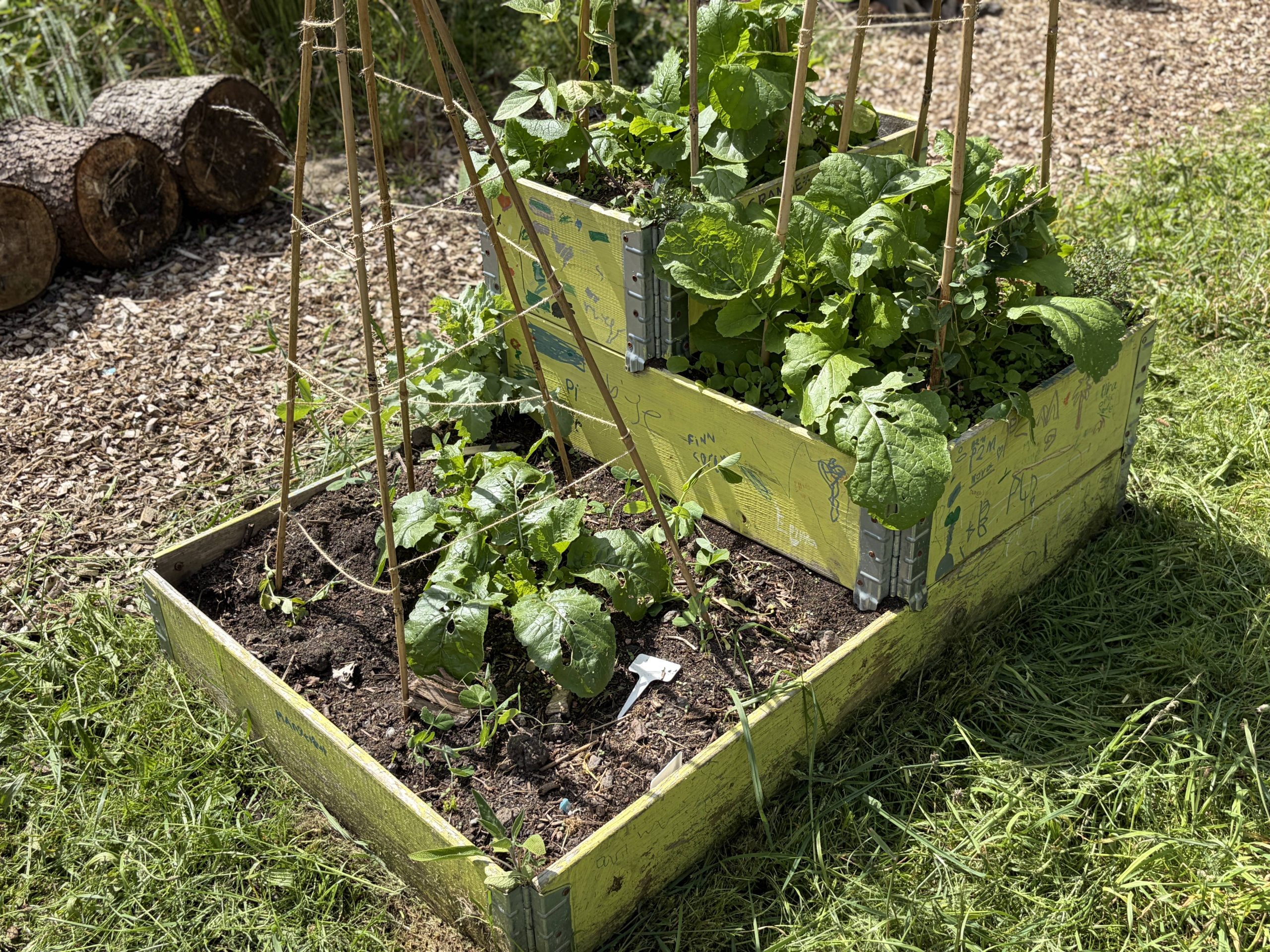
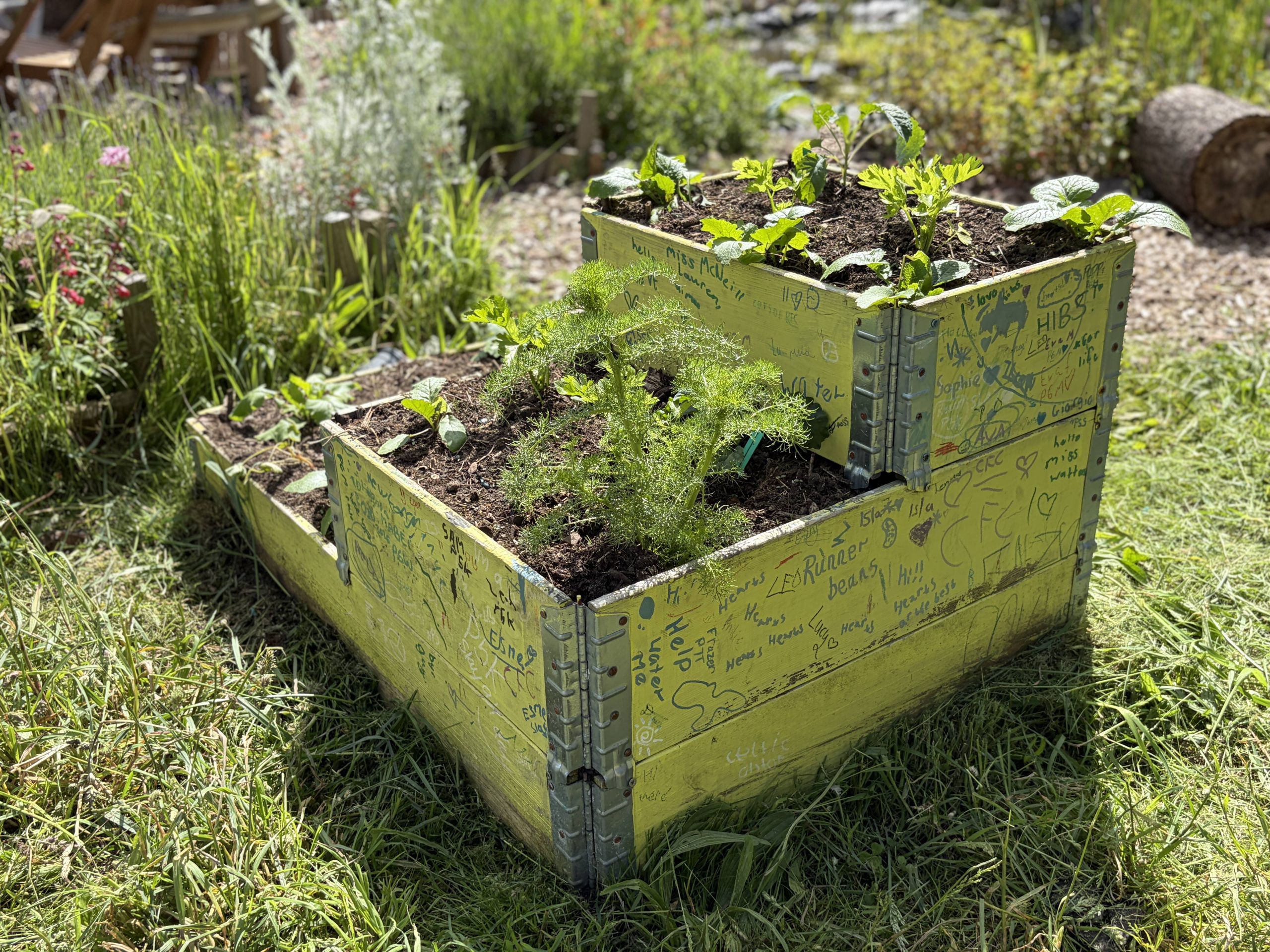
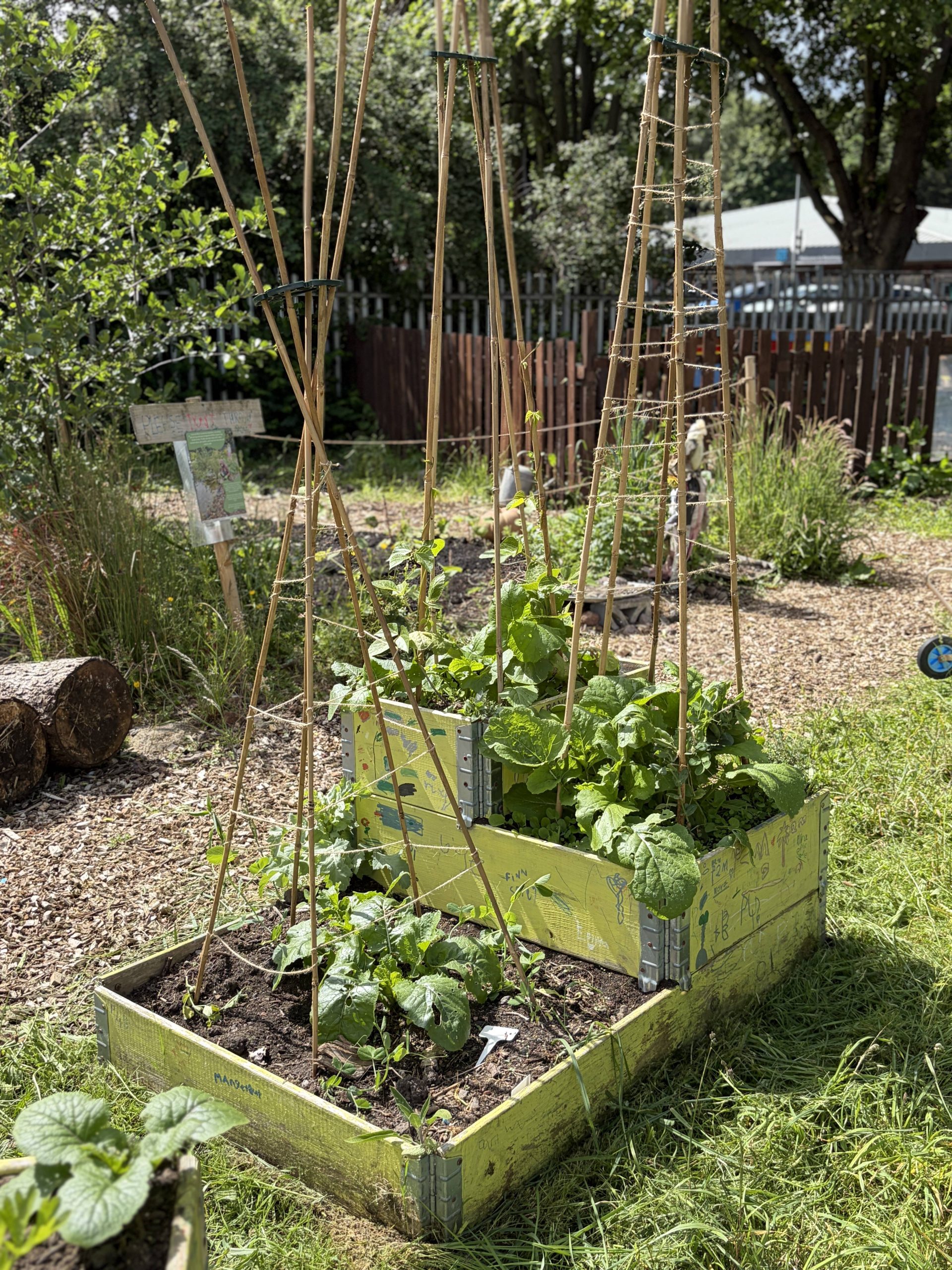
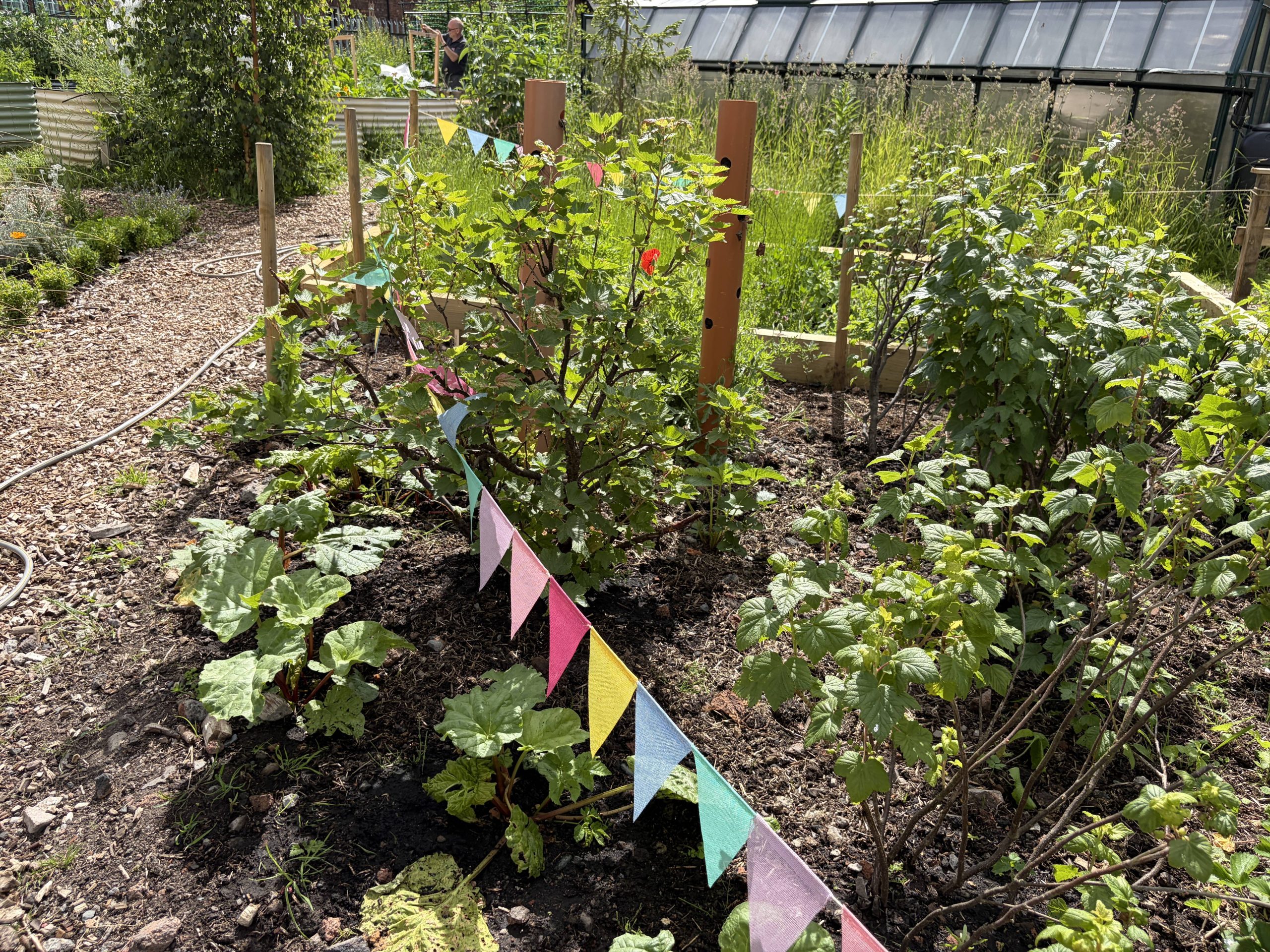
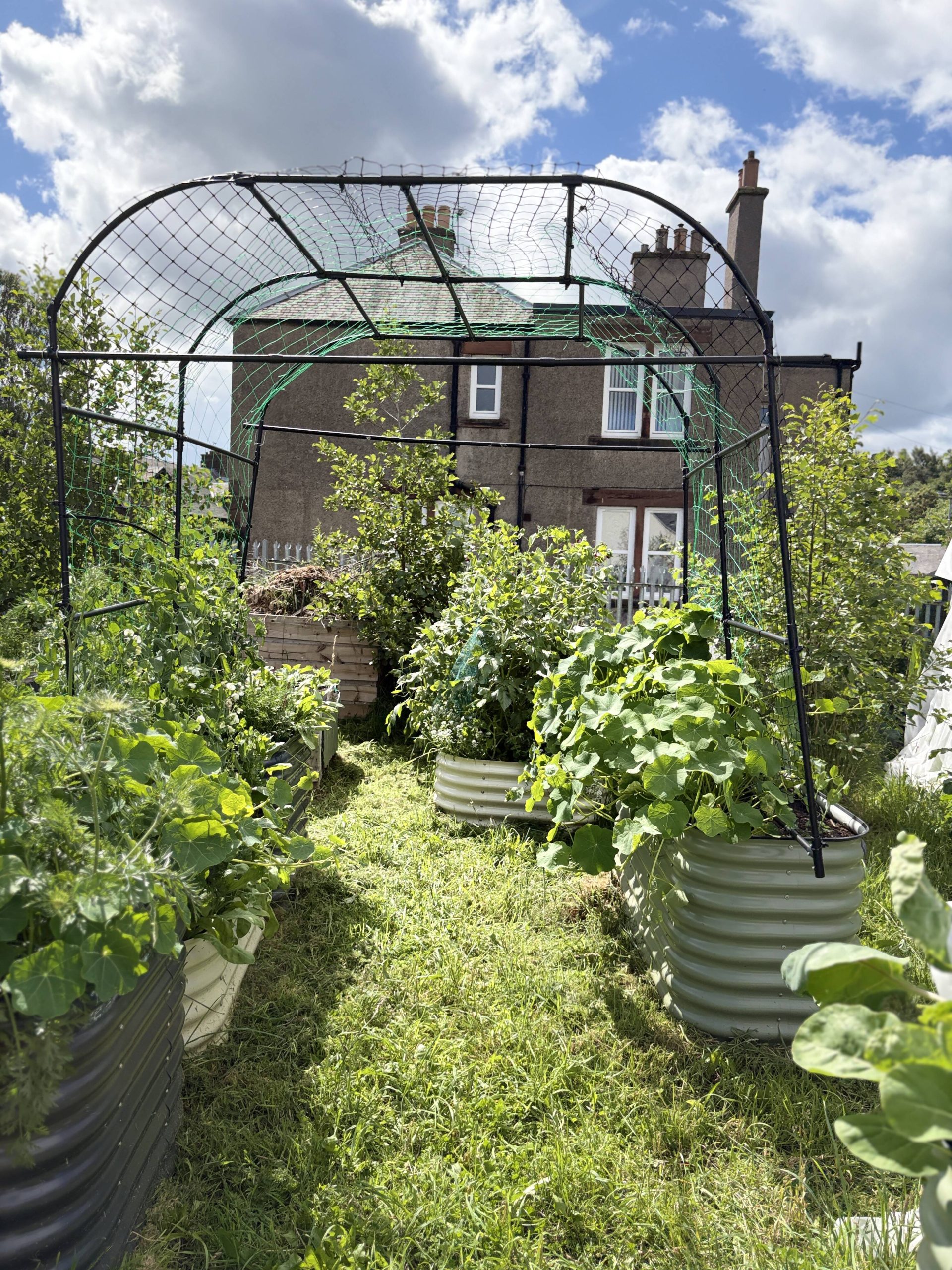
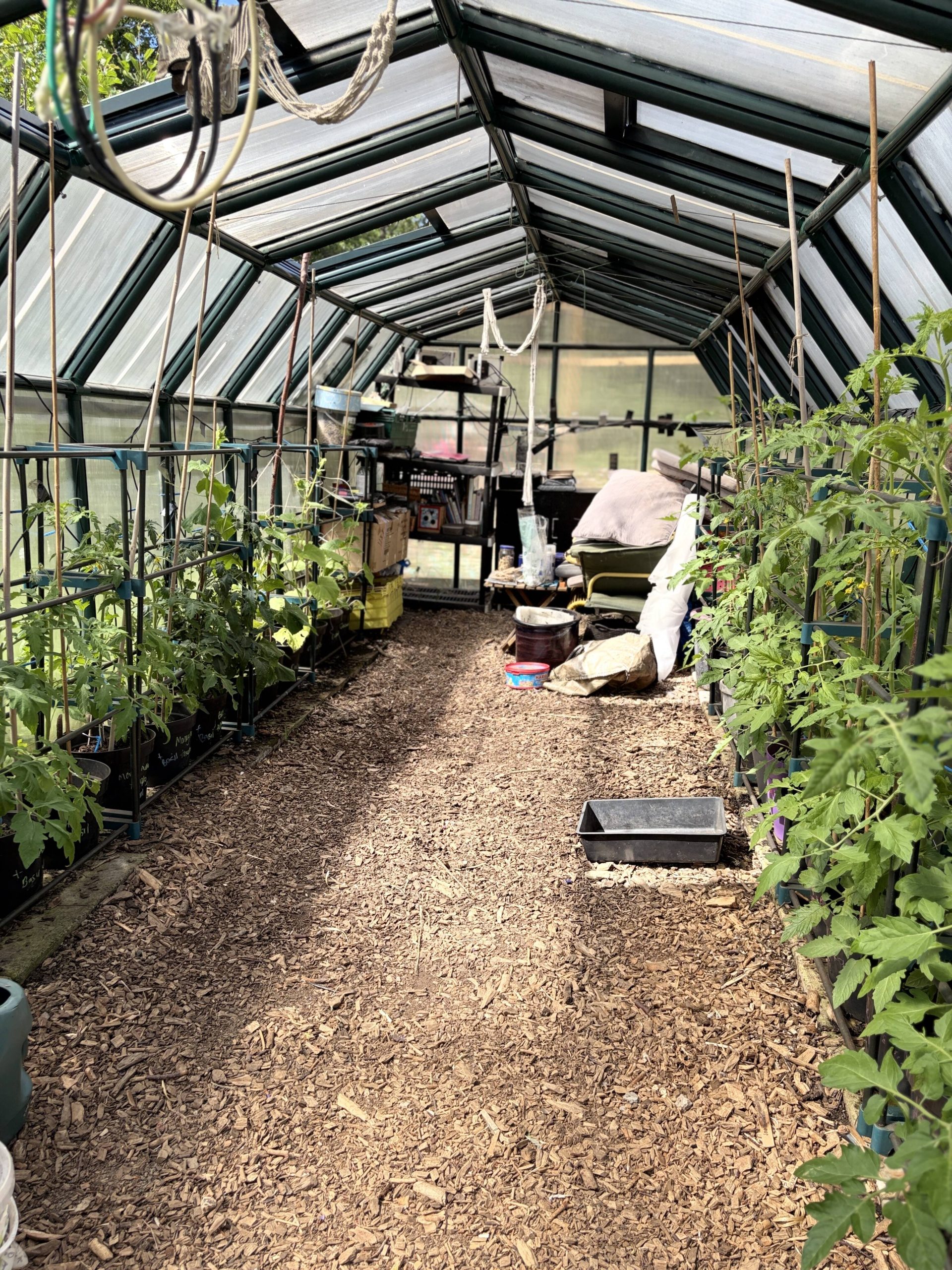
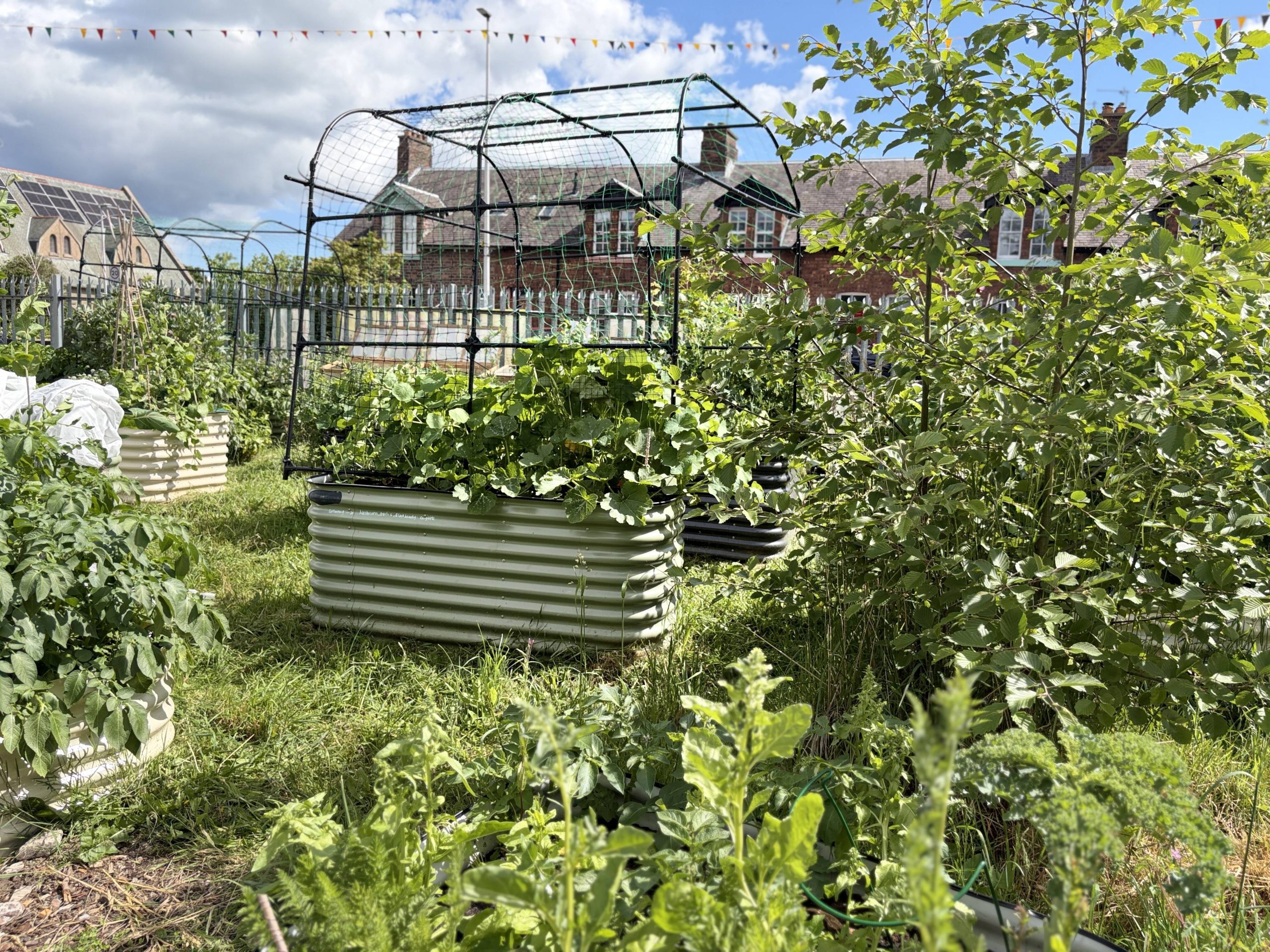
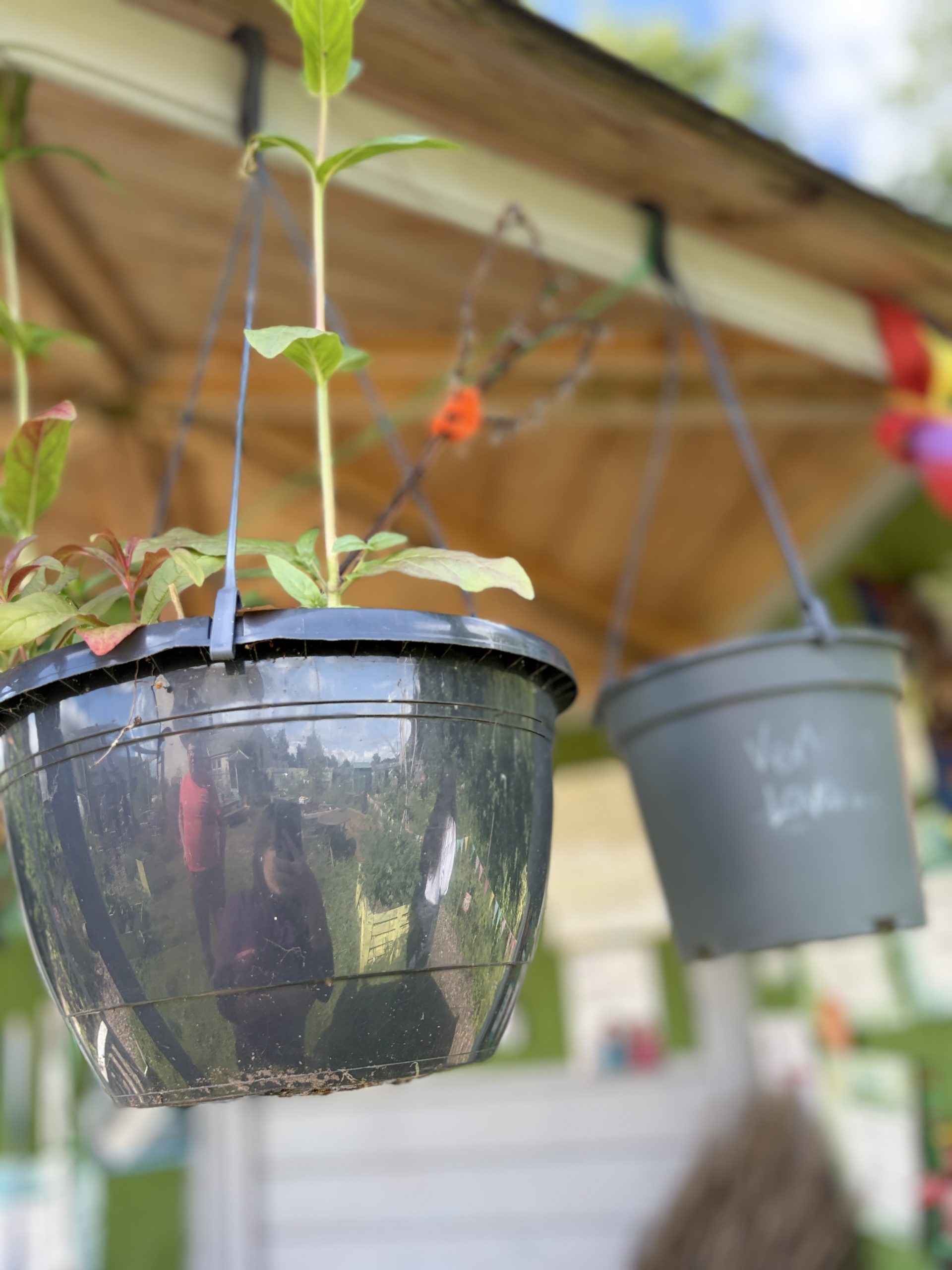
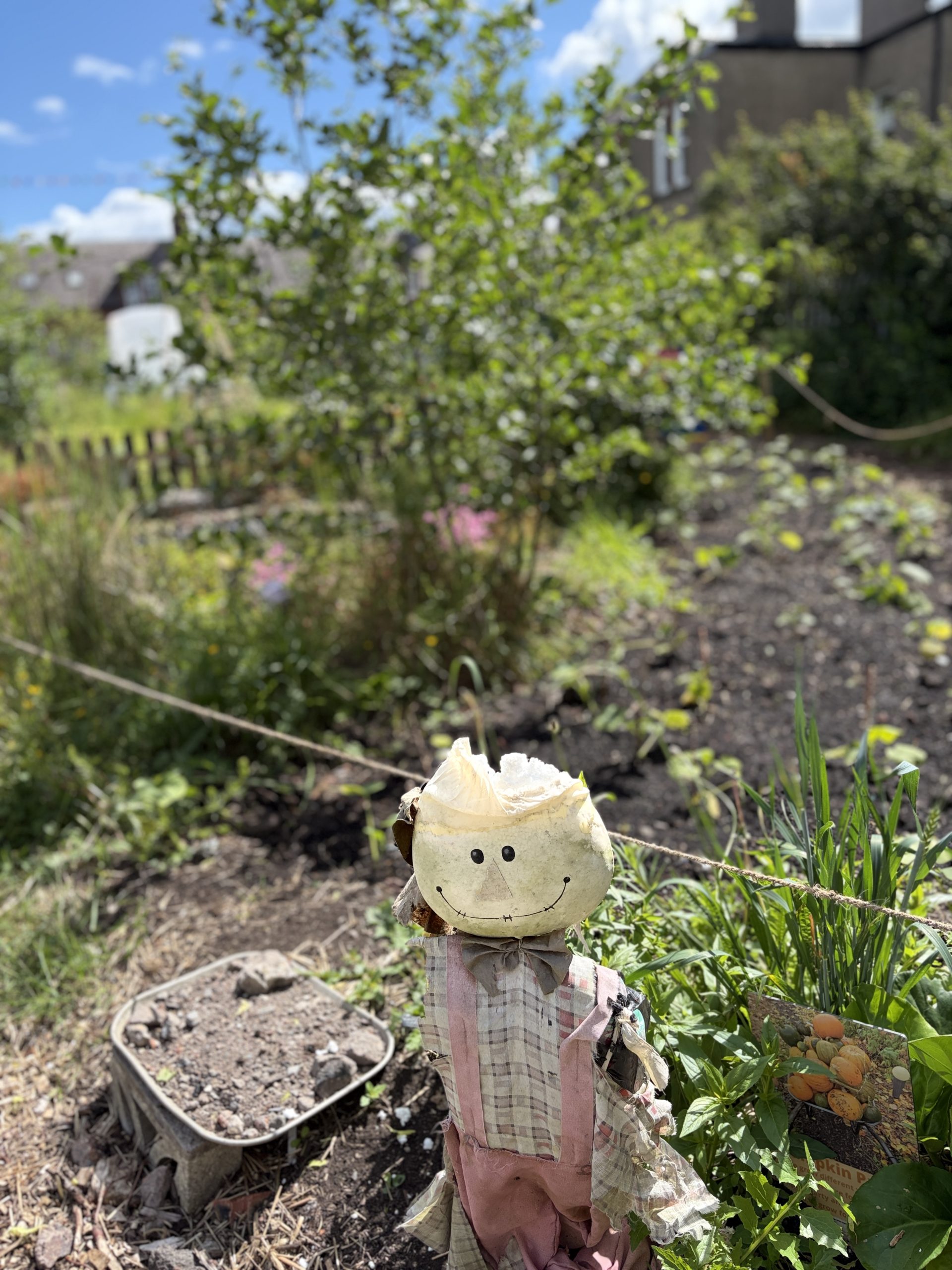
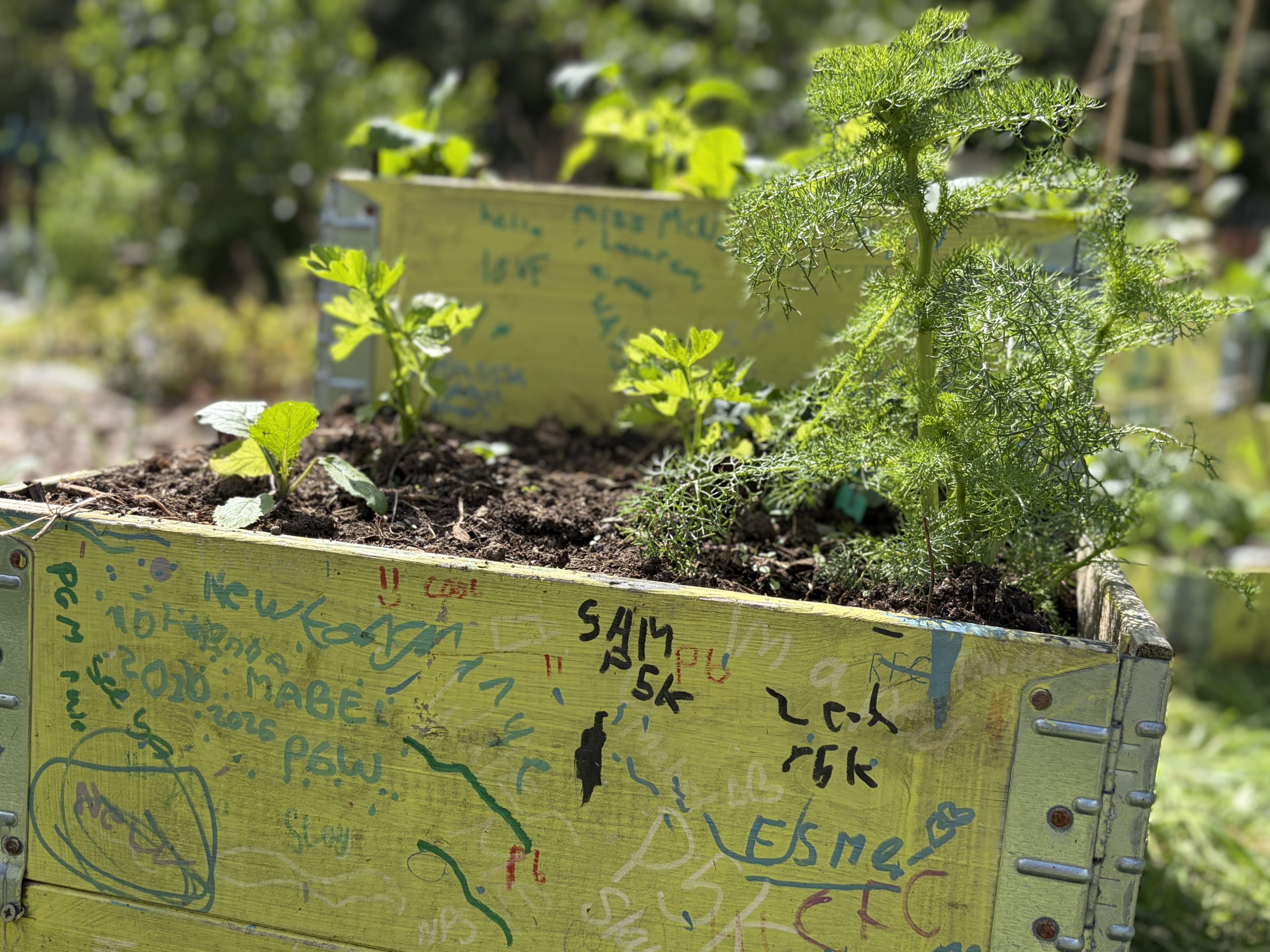
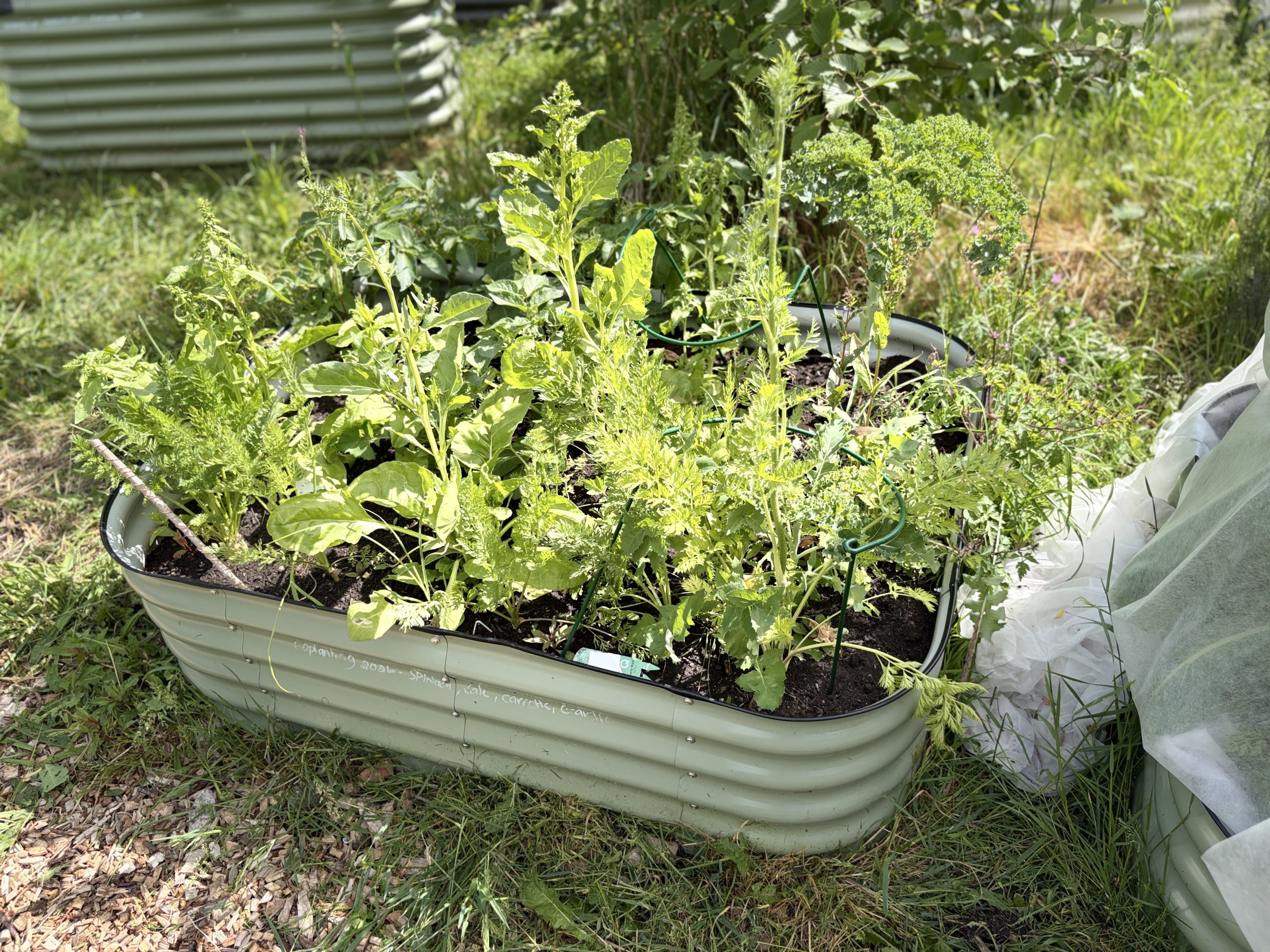
The Newtongrange Community Garden is an MCAN member organisation that was established in 2023 by Laura Joyce to provide a safe outdoor space for her son as well as to help combat food poverty. Through partnerships with the local nursery and primary school in the area, the garden has been able to help engage Midlothian’s youth in climate action and help them learn to care for the environment. Additionally, NCG is committed to sustainable food growing, the majority of which is donated to people in need. One of Newtongrange’s key focuses is rewilding, which encourages gardeners to promote the natural growth of local vegetation rather than prioritising mowing, weeding, trimming, and other traditional methods of upkeep.
Rewilding is particularly beneficial for maintaining the health of local wildlife and promoting biodiversity. To put it simply, the practise allows natural processes rather than people to take the lead in green spaces. Human intervention, even when well-intentioned, can have harmful effects on the environment, and this is something that Laura has noticed here in Midlothian when it comes to local species. One of the things that she is working toward is ensuring that she can sustain the diets of birds in the area using the garden, without offering them seeds or bird food. Laura has noticed it becoming more common for crows to have large white patches on their bodies due to being overfed by humans with food that is not meant for them. A lack of regular nutrients is preventing their colour from forming properly, and sickness has the capacity to spread easily among birds.
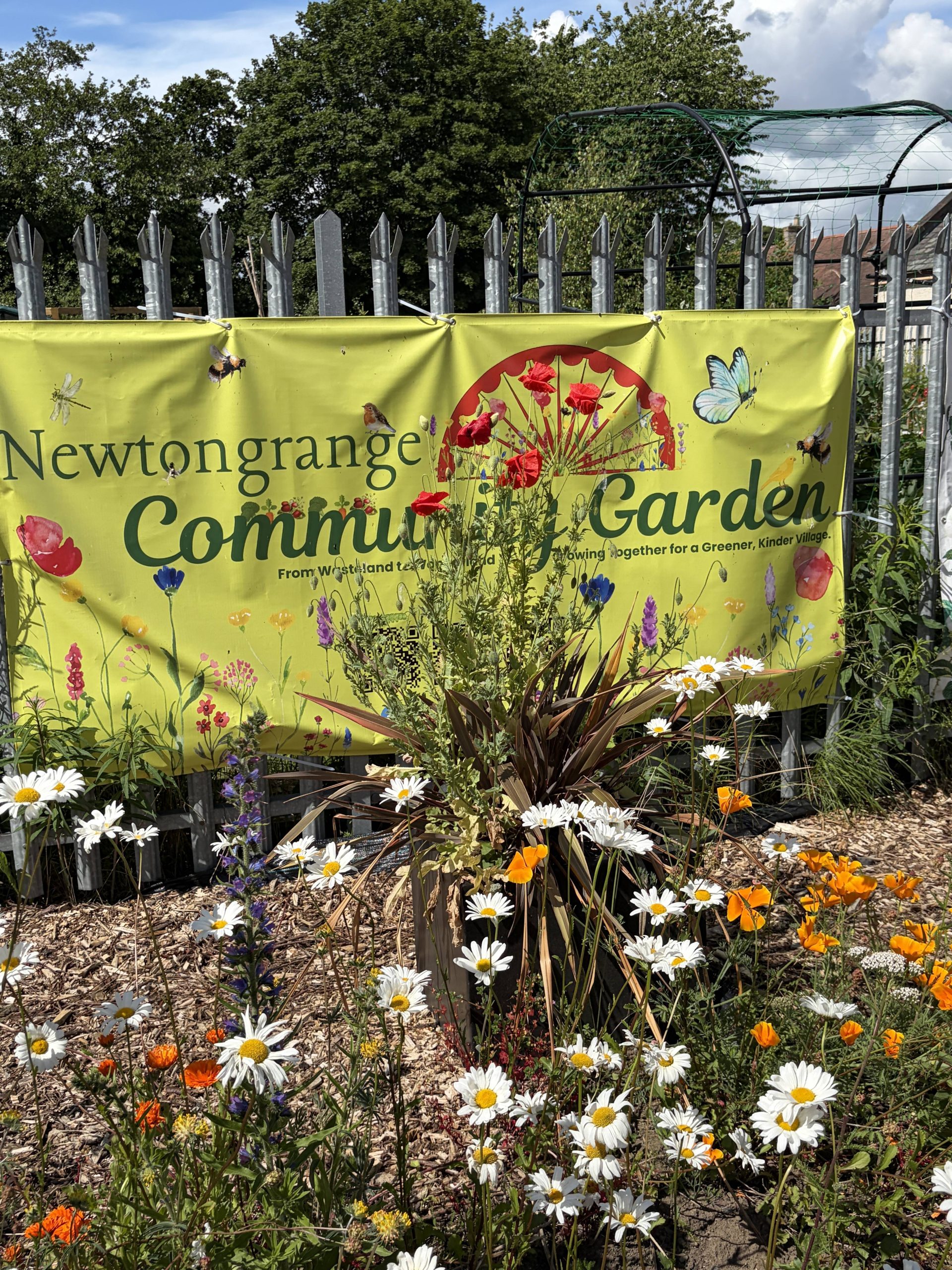
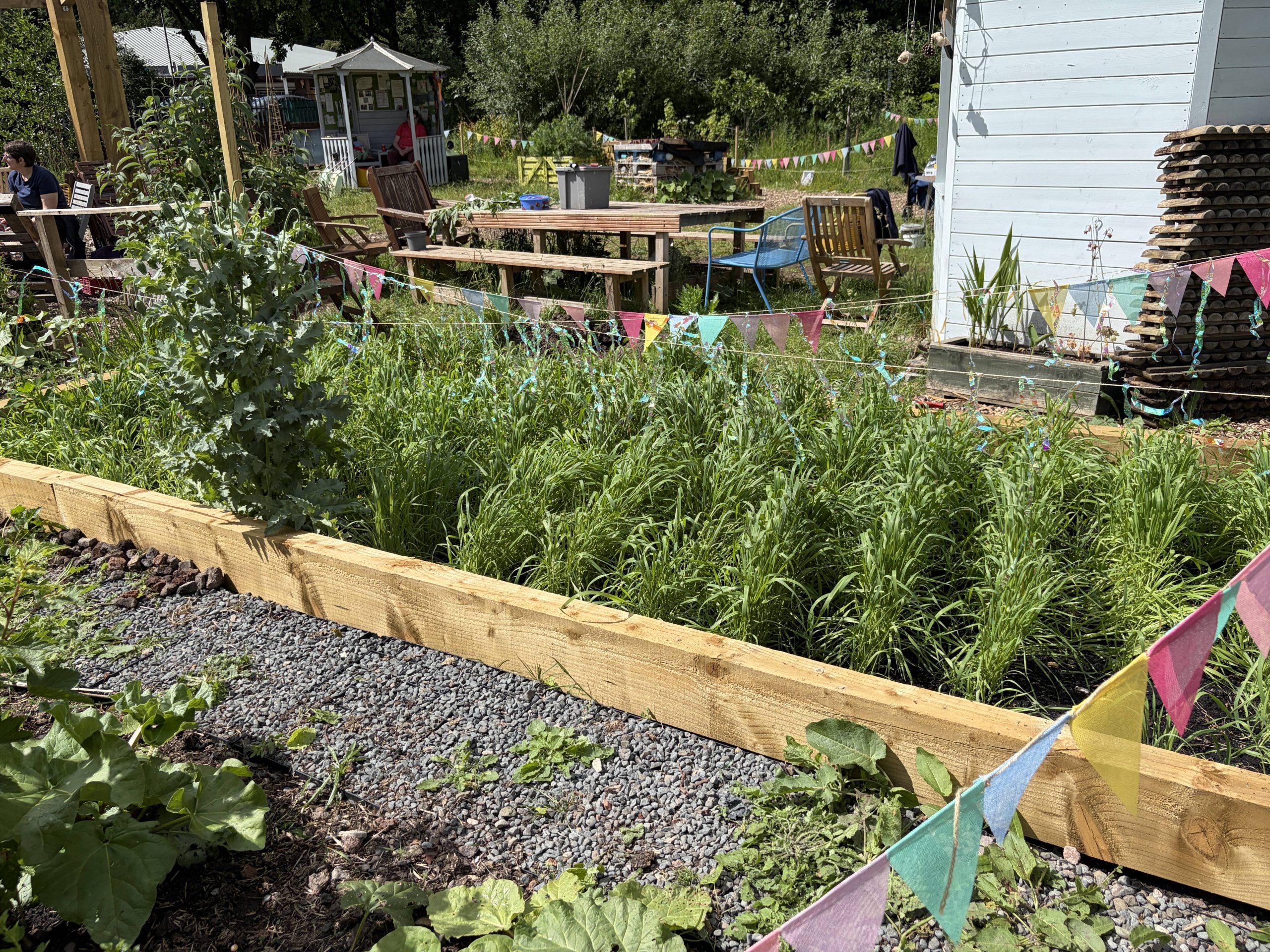
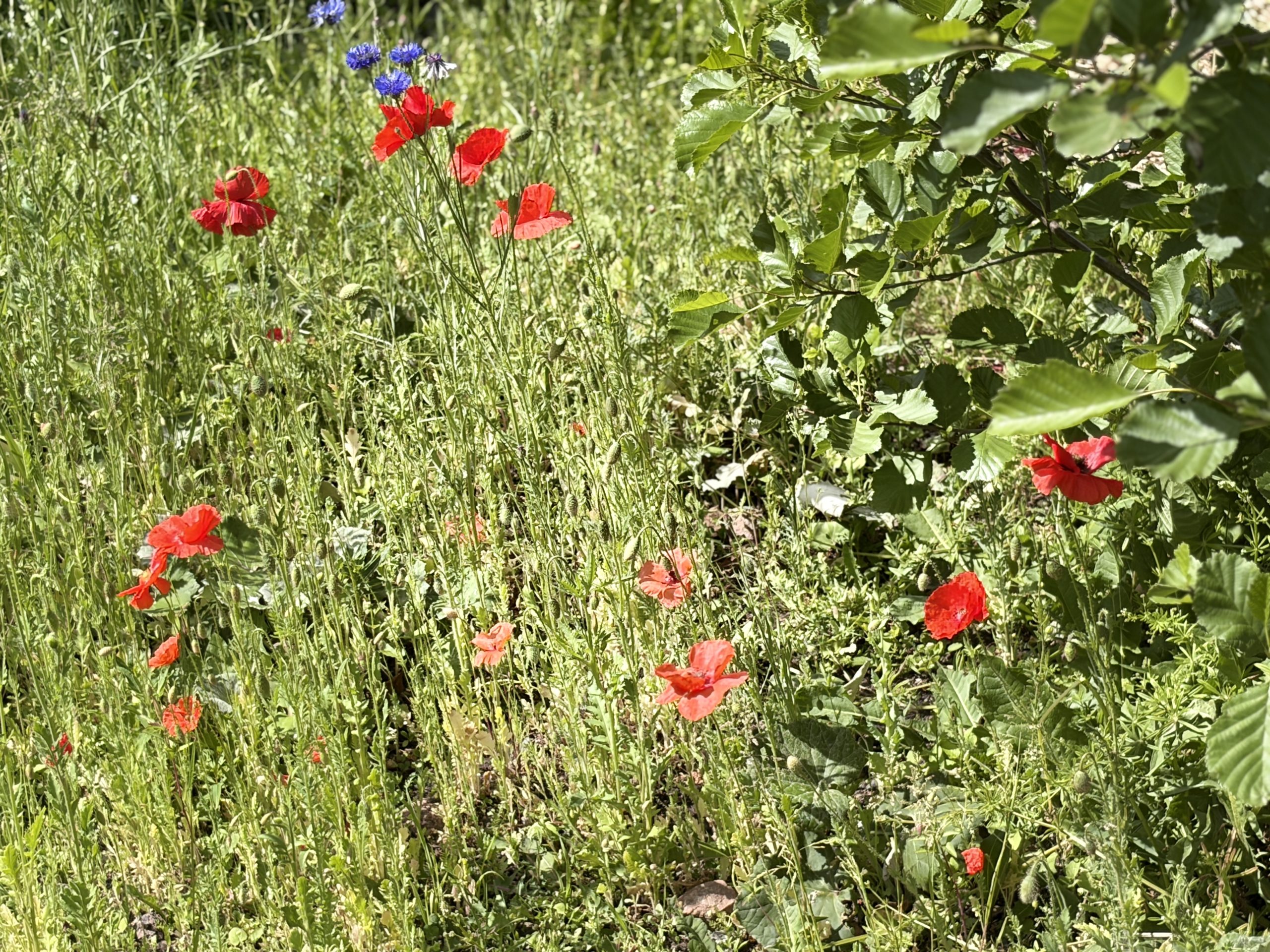
There are a few different methods that Newtongrange Garden uses for rewilding. In some areas of the garden, everything remains completely untouched by humans; no plants or grass are ever weeded or trimmed. This is one of the easiest ways for gardeners to use principles of rewilding. A more elaborate method that Newtongrange also employs is the planting of wildflowers. Planting wildflowers requires gardeners to prepare the ground and take out the grass that’s there, but it offers the benefit of bringing native plants, such as snowdrops, daffodils, and Scottish bluebells, into the space for human, animal, and insect visitors alike to enjoy.
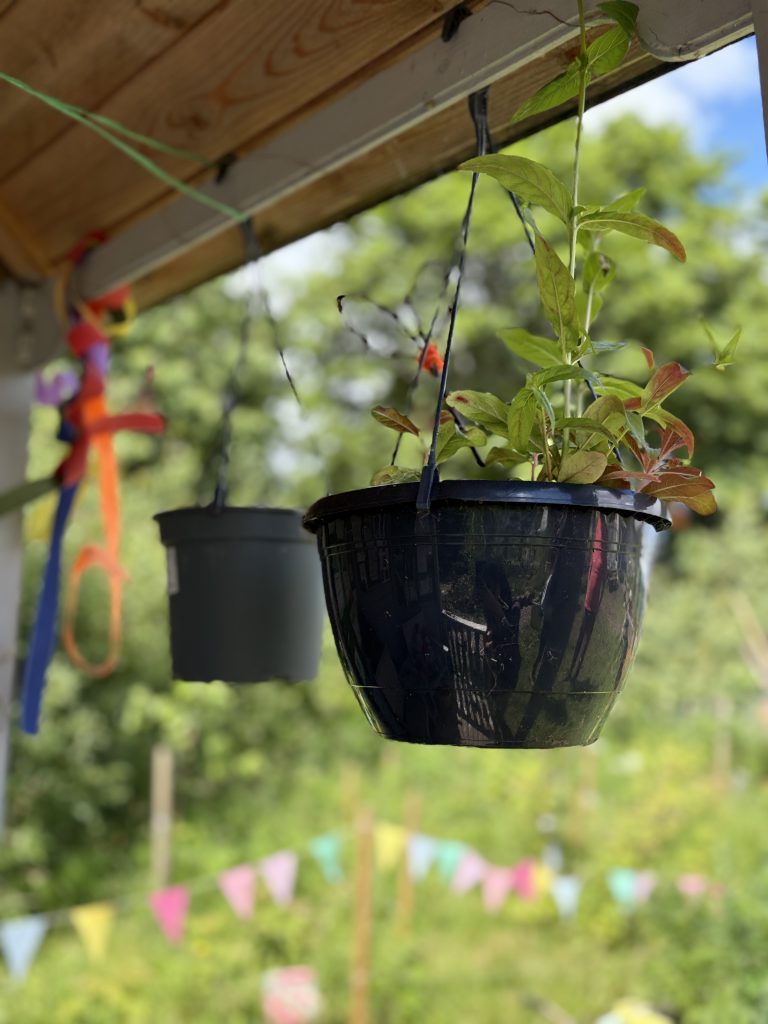
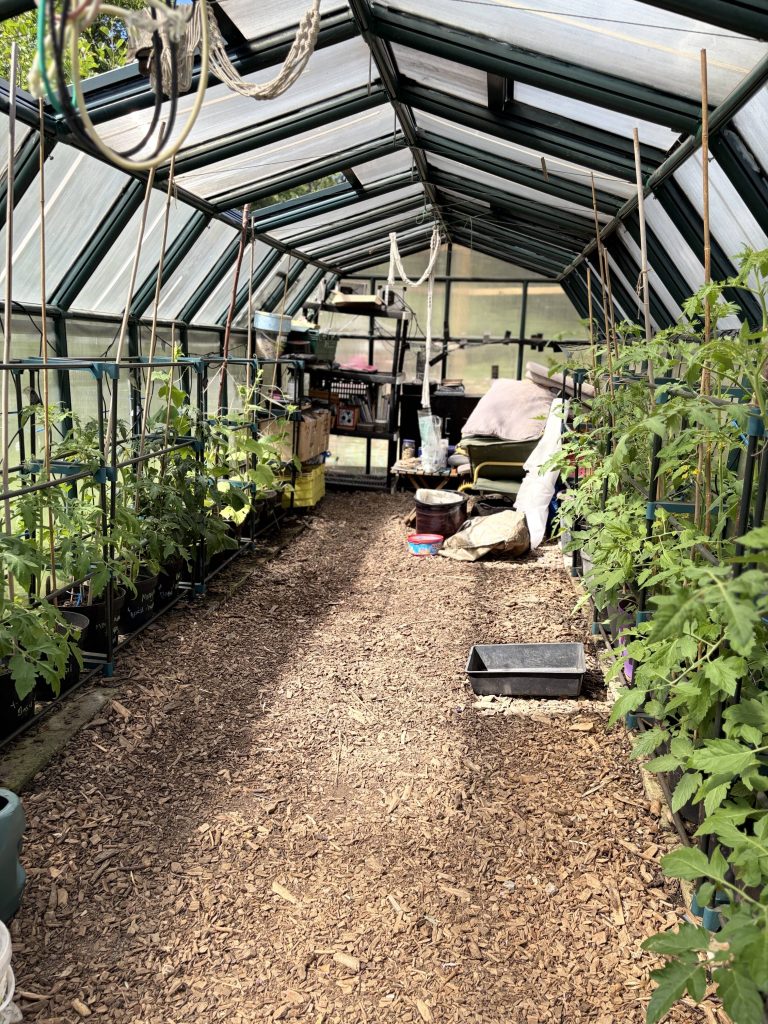
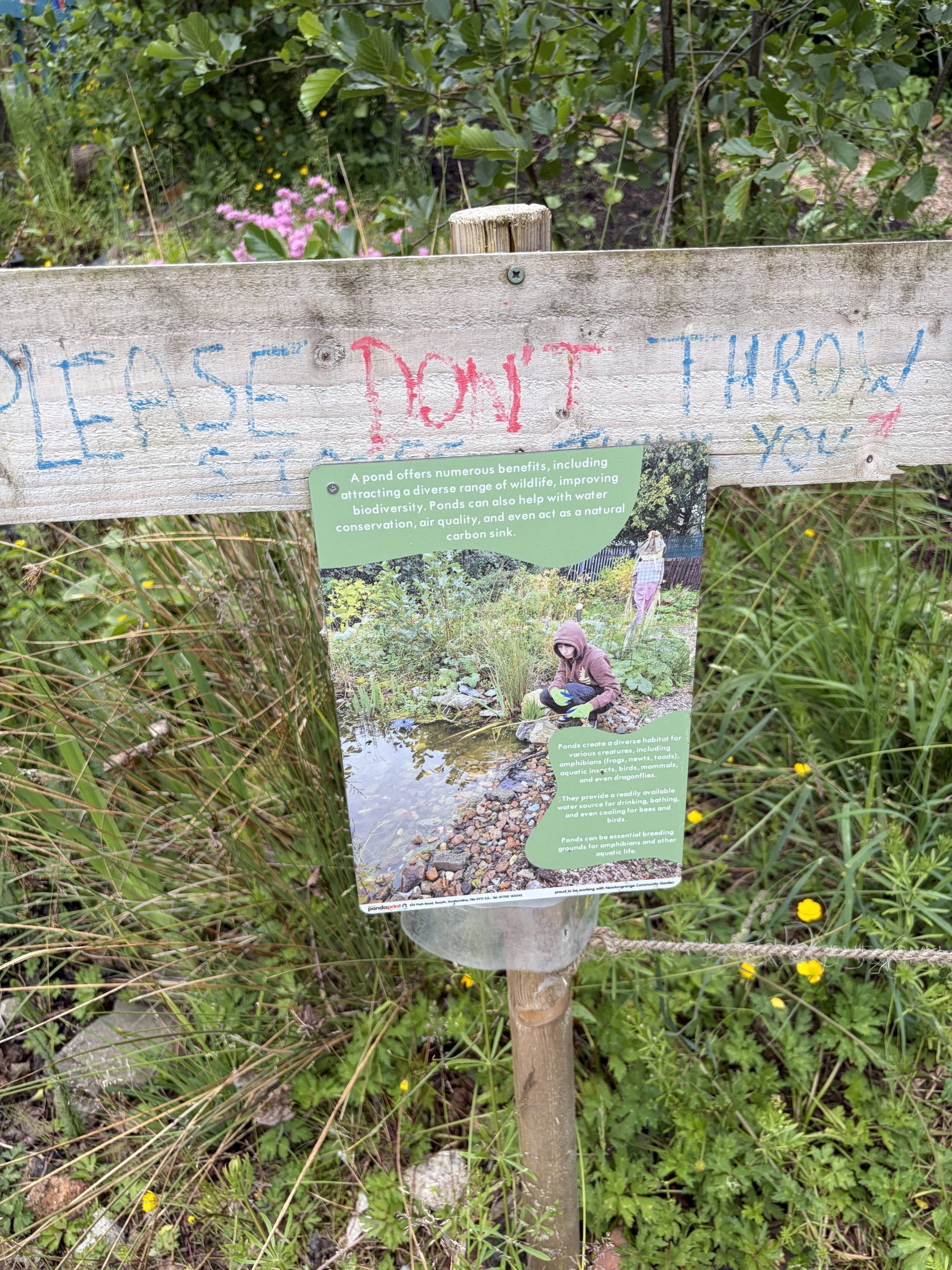
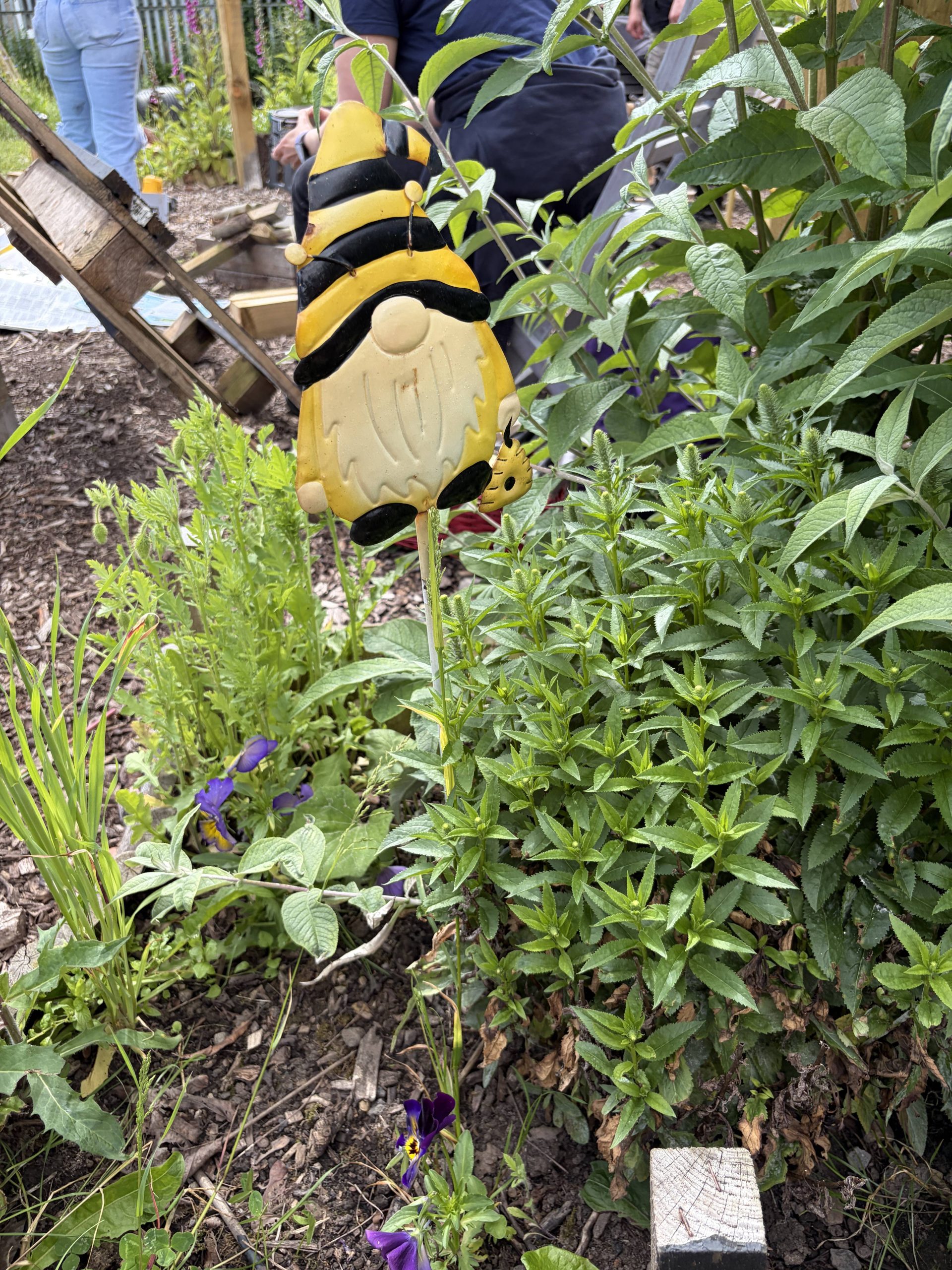
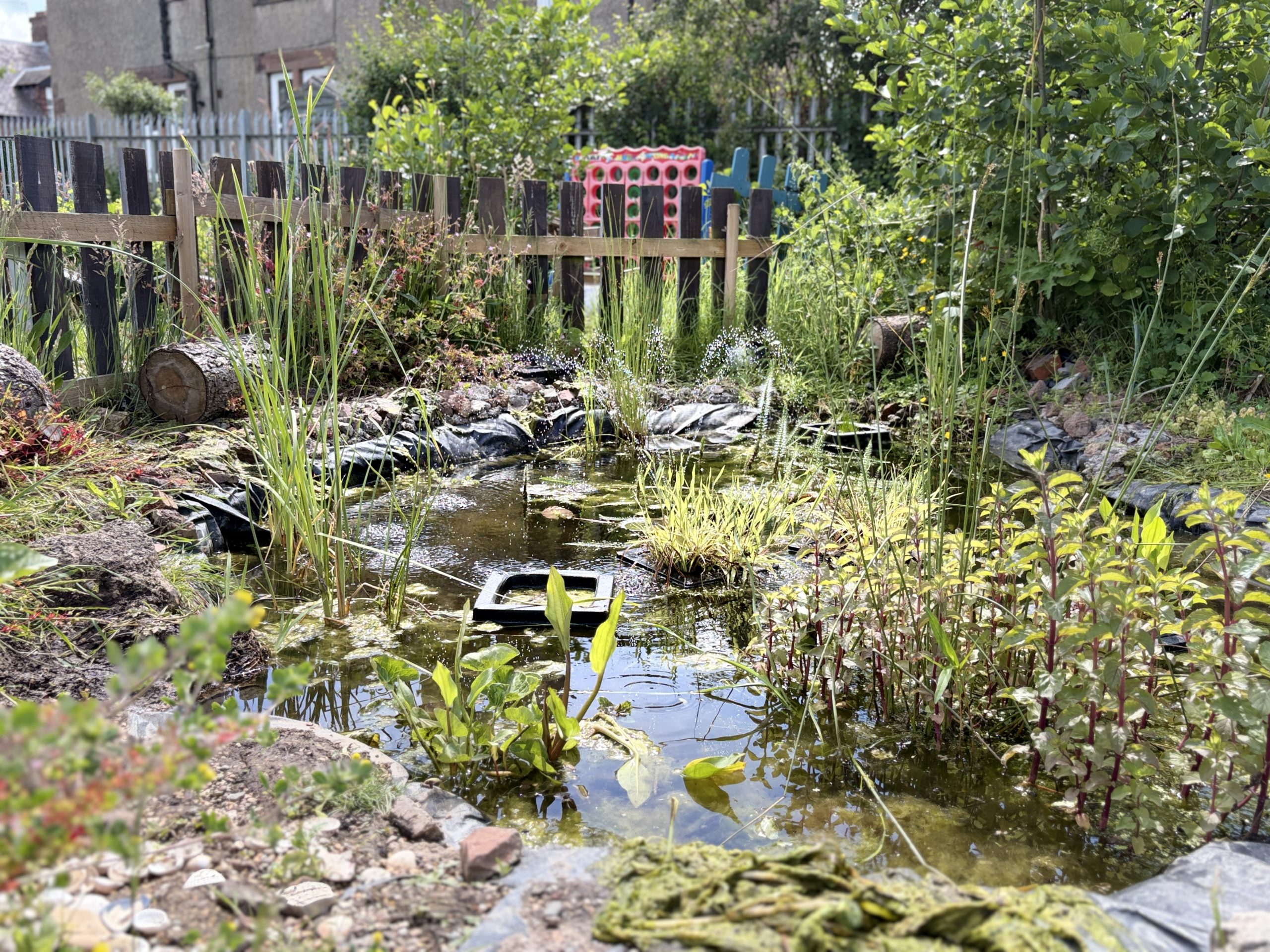
The wide array of plant species visible make the garden beautifully vibrant with colour, and insects and pollinators can be found busy at work in all sections of the space. A pond in the centre of the garden also encourages creatures like amphibians, birds, and aquatic insects to make use of the area for drinking and cooling. Visitors can learn more about how the different areas of the garden work in collaboration with the environment by having a look at signs that are posted throughout, a detail that makes this knowledge more accessible.
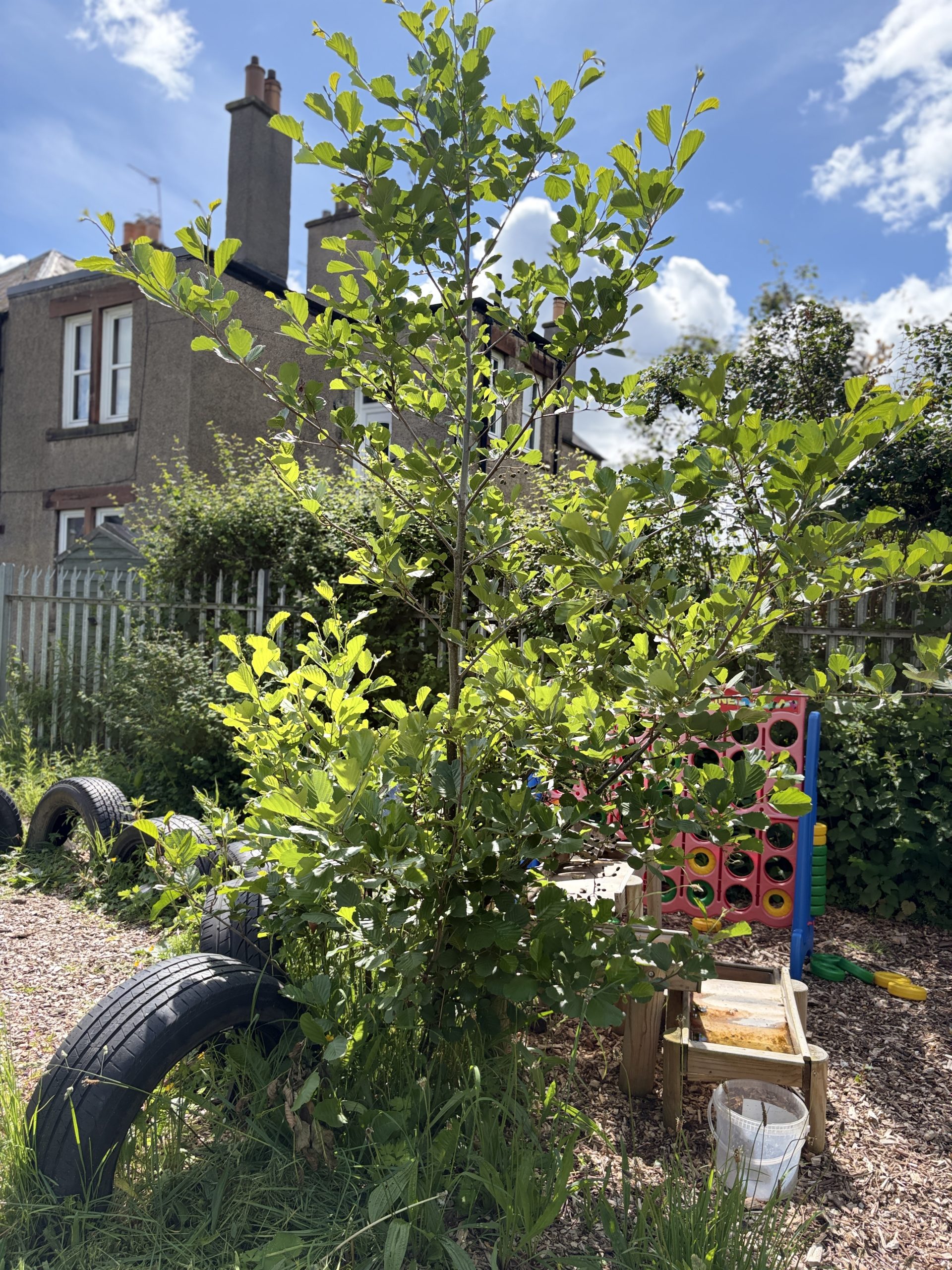
Newtongrange Garden has also been incredibly successful in terms of community engagement. Staff have used the Climate Hub’s Seedcorn Fund to support events that make a difference for people in Midlothian. A couple of years ago, the garden hosted a community meal, which invited both adults and children to come learn how to cook meals from scratch. Newtongrange also has a partnership with the local nursery and primary school that allows them to bring small groups of pupils to the garden, and funding has allowed them to obtain supplies and bring in sessional workers to facilitate activities.
Laura feels that engaging the younger generation in gardening and environmental action is extremely important. She tells me that she’s noticed recently that many children do not feel comfortable being outside and are likely to be discouraged by things like mud or bugs. She believes this trend is caused in part by primary schools having concrete yards with little time spent interacting with the natural world. The school system also pushes children very much academically, and she hopes to encourage a more multifaceted curriculum that values community impact and the environment just as much as academic skills like reading, writing, and mathematics. Neither should replace the other, but it seems like there is not much support for students whose skills might lie more in the realm of practical applications of knowledge rather than only in traditional school subjects.
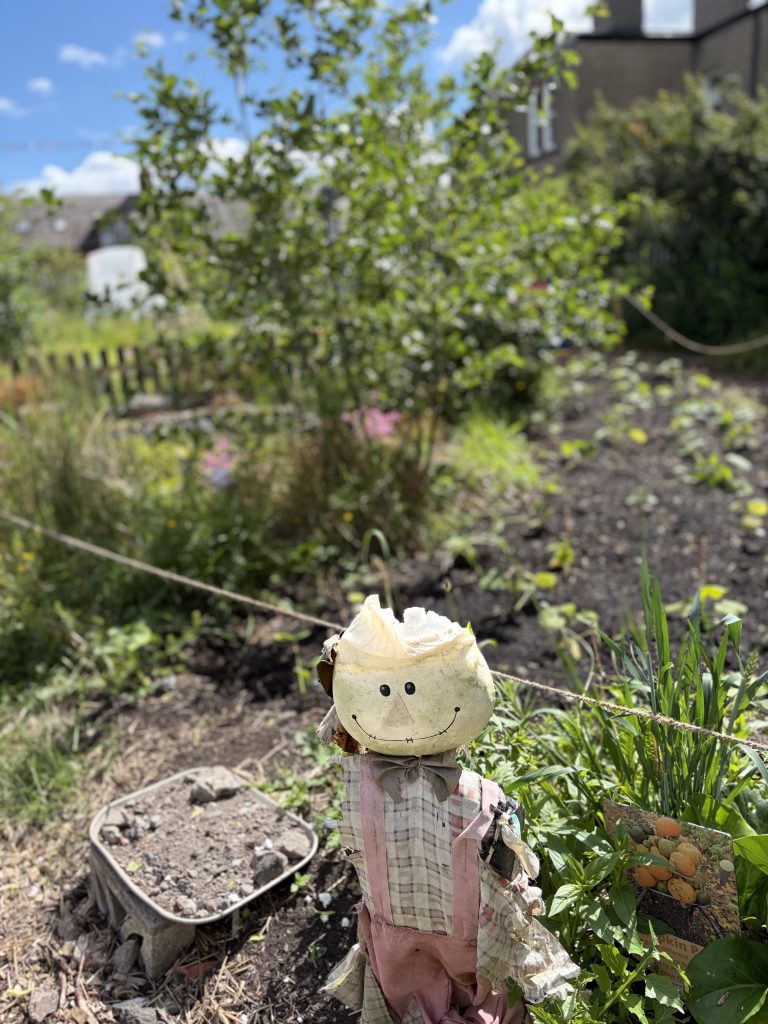
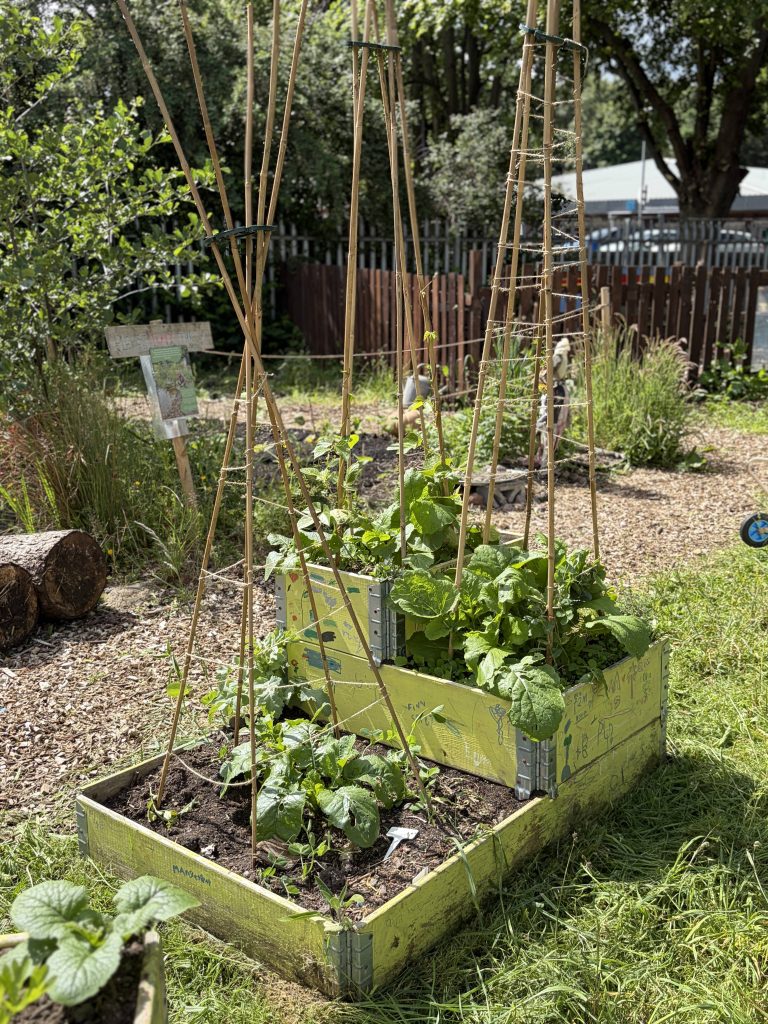
She also wants to focus on helping the younger generation learn how spending time in nature can play a role in alleviating symptoms of anxiety and depression. To expand on the point about how much students are pushed academically, there is immense pressure on them to perform well, and while this sort of stress is not new for the youth, this generation is far more likely than previous ones to take refuge in screen time and social media rather than genuine connection with their peers and the world around them. Something as simple as spending time in a community garden and putting one’s hands in dirt can have a positive impact on someone’s wellbeing, and Newtongrange wants more people, especially children, preteens, and teenagers, to experience those benefits.
Laura is not alone in noticing this. Last year, the BBC reported that training has been set up to help NHS staff learn how they can use nature to help treat patients with mental health conditions. Research shows that there are clear links between wellbeing and the environment, and Newtongrange Community Garden is committed to ensuring that Midlothian’s youth can access these benefits.
Overall, reception for Newtongrange and its events has been positive. Experience has helped the garden’s staff evaluate what works as well as how they can best keep working toward their goals and engage the Midlothian community. One new development for them has been switching over to an online platform to increase the simplicity of getting people registered for events and keeping a record of attendance. Moving forward, Newtongrange plans to continue using their garden to make an impact on Midlothian residents and local biodiversity.